For hotels and hospitality properties
Hotel and Hospitality Odor Treatment in Downtown Denver
A room that smells of smoke stays out of order and generates complaints. This guide covers how guest room odors are treated at the source, and how housekeeping and engineering fit into the work.
Room status
Out of order: odor
Every night a room stays here is a night it can't be sold. The goal is to get it back in inventory, treated properly, with the shortest safe downtime.
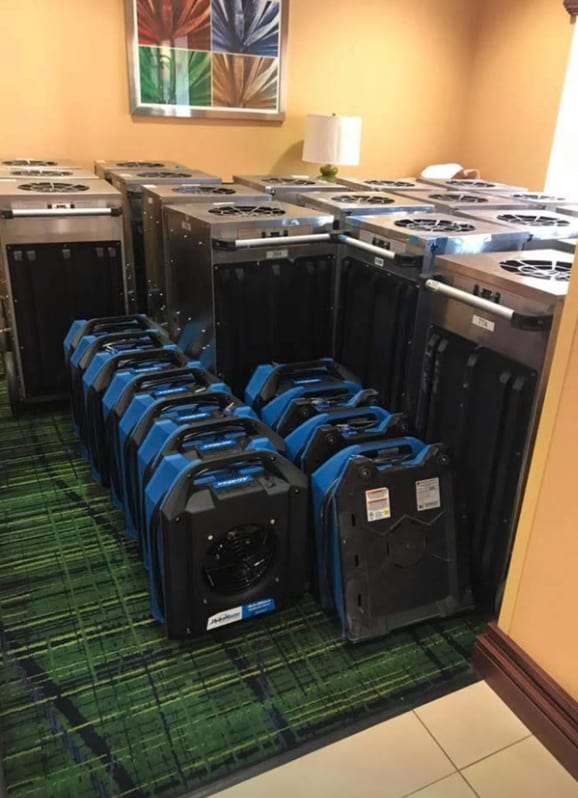
Illustrative photo · see photo credits
Room treatment process
Best planned together with engineering and housekeeping.
Step 1
Assess
Identify the odor type and which materials and systems are holding it.
Step 2
Scope
Agree on what will be treated, what should be replaced, and the room's return timeline.
Step 3
Treat sources
Treat carpet, upholstery, and surfaces, and address the room's air unit and filters.
Step 4
Whole-room treatment
Perform a controlled treatment in the vacant room when appropriate, followed by ventilation.
Step 5
Return to inventory
The room goes back to housekeeping for final preparation.
Guest room odors cost revenue every night they persist
When a guest smokes in a non-smoking room, discharges pepper spray, or leaves behind strong cannabis or cooking odors, housekeeping can't always clear it. Residue settles into carpet, drapes, upholstery, mattresses, and the room's PTAC or HVAC unit, and the next guest notices.
It helps to treat hospitality odor as a room-return problem: identify the sources, treat or remove affected soft goods and surfaces, and use controlled whole-room treatment when appropriate, so the room can go back into inventory.
“Residue settles into carpet, drapes, upholstery, mattresses, and the room's PTAC or HVAC unit, and the next guest notices.”
Situations hotel teams deal with
| Situation | What the team sees |
|---|---|
| Smoking in a non-smoking room | A guest smoked in a king room over a long weekend, and the room has been out of order for three days. |
| Cannabis odor complaints | A downtown property receives repeated complaints about cannabis odor in a particular wing. |
| Pepper spray in a suite | A guest's pepper spray canister leaks in a suite, and housekeeping staff start coughing as soon as they enter. |
ZIP codes served: 80202 (Denver), 80203 (Denver), 80218 (Denver), 80204 (Denver), 80205 (Denver), 80211 (Denver).
Also nearby: 80206, 80209, 80216, 80212, 80223, 80214, 80207, 80220, 80219, 80246, 80221.
Hospitality in downtown Denver
Downtown Denver's hotels range from historic properties near Union Station and in LoDo to high-rise convention and business hotels near the Colorado Convention Center and along the 16th Street corridor. Occupancy is driven by conventions, sports, and tourism, so every out-of-order room has a measurable cost.
Because recreational cannabis is legal in Colorado but public consumption isn't, cannabis odor in guest rooms is a common hospitality issue here, alongside tobacco smoke and irritant sprays.
- Downtown hotels cluster around Union Station, LoDo, the Convention Center, and the 16th Street corridor.
- Plan treatment timing with engineering, security, and housekeeping.
- Mention room counts and urgency when requesting any quote.
- Hotels in nearby Cherry Creek and Capitol Hill face the same smoke and cannabis complaints.
Guest safety comes first
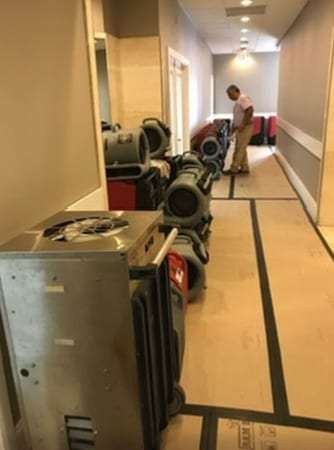
In a hotel that means the treated room stays unoccupied and posted, adjoining doors stay closed, and the front desk has a clear time the room can return to inventory.
When a room comes back with an odor
- Take the room out of order rather than re-renting it with a lingering smell.
- Document the condition for any guest-charge policy you apply.
- Remove linens and launder or replace them; leave other soft goods for assessment.
- Write down room numbers and urgency before you contact an odor provider.
Who does what on the hotel side
Front desk
Takes the room out of inventory and knows when it's expected back.
Housekeeping
Strips linens and soft goods first, and flags rooms at checkout so odor is caught early.
Engineering
Gives access to the PTAC or room HVAC unit and confirms how the room's air connects to corridors.
Management
Gets photos and notes from the assessment if the hotel applies a smoking fee under its policy.
More for hotel teams
Guides and worksheets on room downtime, PTAC units and guest-room odor.
Learn18
- Recovering a non-smoking room after a guest smoked in it
- When the PTAC is the reason a guest room still smells
- Fan coil units, risers and the odors they carry in tower hotels
Tools9
- A roles matrix for hotel odor response across departments
- A readiness plan for odor problems during busy event weeks
- A log template for recording hotel room odor complaints
Hospitality questions
How quickly can a room be returned to inventory?
It depends on the odor and the treatment. Many rooms can be treated and ventilated within a day or two. Ask for a timeline with the quote.
Can mattresses and upholstery be treated?
Often, yes. Heavily contaminated items may be better replaced; a good assessment will say which.
Should PTAC units be treated?
Yes. The room's air unit, filters, and air pathways belong in the assessment and treatment, since they often hold odor.
Will treatment disturb neighboring guests?
Treatments should be performed in vacant rooms with appropriate preparation, and timing can be planned around occupancy.
Will the next guest smell a cover-up scent?
It shouldn't. Ask whether synthetic fragrances or ozone generators will be used; the goal is a room that smells like nothing at all when housekeeping releases it.
Is a standing arrangement for future rooms worth having?
For properties with frequent odor rooms, ask about ongoing service when you request quotes.
How are PTAC units handled?
The wall-mounted heating and cooling units in many guest rooms pull room air across a coil and filter, and both hold odor. The filter is replaced or cleaned and the unit's accessible surfaces are treated with the room. Otherwise the smell returns the first time a guest turns it on.
Ask about guest room odor
This form is not connected. This website is a draft preview: no business has been confirmed to receive requests, so the fields below are switched off and nothing can be sent. In an emergency, call 911.